
You walk into a luxury hotel lobby and immediately notice the warm wood reception desk, the detailed wall panels, and the perfectly fitted shelving behind the concierge. Later that evening, you visit a friend’s newly renovated home and spot custom built in cabinets that seem made specifically for the space. Different settings, different purposes, but both are examples of architectural millwork quietly shaping the experience of a room.
That’s the thing about millwork. Most people don’t notice it until it’s done exceptionally well or poorly.
Whether you’re remodeling a home, designing a retail space, or planning an office renovation, understanding architectural millwork helps you make smarter decisions about style, function, and long-term value.
Key Takeaways
- Architectural millwork combines craftsmanship, function, and design customization.
- Residential and commercial projects use millwork differently based on durability, aesthetics, and traffic demands.
- High-quality millwork can improve both property value and user experience.
- Choosing experienced professionals ensures precision, consistency, and long-lasting results.
What Is Architectural Millwork?
Architectural millwork refers to custom-made woodwork and interior finishing elements created to fit a specific design, space, or function. It includes cabinetry, moldings, trim, shelving, wall panels, reception desks, doors, stair components, and other built-in features.
Unlike mass-produced materials, custom architectural millwork is designed with precision to match the style and dimensions of a project.
In simple terms, it’s the difference between buying a standard shelf from a store and having one crafted to fit your exact space, aesthetic, and practical needs.
Why Architectural Millwork Matters More Than People Think
A room can have expensive furniture and premium flooring, but if the finishing details feel disconnected, the entire space loses its impact.
Millwork acts like the “glue” that ties an interior together.
It influences:
- Visual flow
- Space efficiency
- Storage functionality
- Brand identity in commercial environments
- Overall property appeal
According to the United States Forest Service, wood-based interior materials can also contribute to positive psychological responses and occupant comfort in built environments.
United States Forest Service Research
That subtle sense of warmth people feel in well-designed interiors often comes from thoughtful wood detailing and interior wood finishing.
Residential Architectural Millwork
In homes, millwork is deeply personal. It’s less about mass traffic and more about comfort, beauty, and lifestyle.
Homeowners usually want spaces that feel unique while solving practical problems like storage, organization, and layout limitations.
Common Residential Millwork Features
- Kitchen cabinetry
- Built-in entertainment units
- Fireplace surrounds
- Crown molding
- Decorative wall paneling
- Mudroom storage
- Walk-in closets
- Stair railings and trim
Many homeowners investing in residential millwork services want something tailored to their daily routines. A family with young children may prioritize durable built-ins with hidden storage, while another homeowner may focus on luxury finishes and elegant architectural woodwork design.
A Real-World Home Scenario
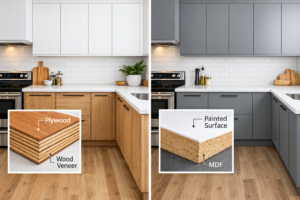
Imagine a couple renovating a 1950s Detroit home. The kitchen has awkward corners and limited cabinet space. Instead of using prefabricated units that waste valuable inches, they choose custom cabinetry and millwork designed specifically for the room’s dimensions.
The result isn’t just better storage. It’s a kitchen that finally feels intentional.
That’s where thoughtful custom woodwork installation changes how people experience their homes every day.
Commercial Architectural Millwork
Commercial spaces have a different mission. Here, millwork must balance appearance, durability, branding, and functionality.
A busy restaurant, medical office, retail showroom, or hotel lobby experiences constant use. Materials and construction methods must withstand wear while still looking polished.
Commercial interior millwork often includes:
- Reception desks
- Retail display fixtures
- Conference room cabinetry
- Wall cladding
- Restaurant booths
- Hospitality counters
- Office storage systems
- Custom shelving
In commercial settings, millwork isn’t only decorative but also communicates professionalism.
A law office with poorly fitted cabinetry and damaged trim sends a very different message than one with sleek, integrated finishes.
As legendary architect Frank Lloyd Wright once said:
“The space within becomes the reality of the building.”
That idea perfectly reflects how millwork shapes the experience people have inside a space.
Residential vs Commercial Millwork: The Key Differences
While the craftsmanship principles are similar, the goals are often very different.
| Feature | Residential Millwork | Commercial Millwork |
| Primary Goal | Comfort and personalization | Functionality and branding |
| Traffic Level | Moderate | High |
| Design Focus | Lifestyle and aesthetics | Durability and efficiency |
| Materials | Often decorative and detailed | Often heavy-duty and compliant |
| Timeline | Flexible | Usually deadline-driven |
| Maintenance Needs | Lower | Higher |
Understanding these differences helps property owners choose materials and designs that actually fit their environment.
The 4-Part Framework for Choosing the Right Millwork
If you’re planning a project, this simple framework can help guide your decisions.
1. Define the Purpose
Ask yourself:
- Is the space mainly decorative?
- Does it need heavy-duty durability?
- Is storage the biggest concern?
- Does branding matter?
Your answers shape the entire design direction.
2. Prioritize Function First
Beautiful millwork that doesn’t work practically becomes frustrating quickly.
Think about:
- Accessibility
- Cleaning
- Traffic flow
- Daily use
- Long-term maintenance
3. Match Materials to the Environment
A boutique hotel lobby and a family mudroom need very different materials.
Commercial millwork solutions often require more durable finishes because of heavy daily usage, while residential spaces may prioritize warmth and decorative detailing.
4. Work With Skilled Professionals
Precision matters in millwork more than many people realize.
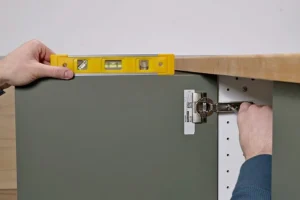
Poor alignment, uneven seams, or incorrect measurements become obvious immediately. Experienced fabricators understand how to combine craftsmanship with practical installation requirements.
For many property owners seeking Millwork installation services in Detroit, MI, working with experienced specialists like Top Fabricators In the D helps ensure projects are completed accurately and professionally.
Common Misconceptions About Architectural Millwork
“Millwork Is Only for Luxury Spaces”
Not true.
While high-end homes and hotels use elaborate millwork, even modest spaces benefit from smart built-in storage and custom finishing details.
“Prefab Products Are Basically the Same”
They’re not.
Mass-produced products are designed for standard dimensions. Custom millwork adapts to your actual space, which usually creates a cleaner fit and more efficient use of square footage.
“Commercial Millwork Only Needs to Be Functional”
Function matters, but appearance matters too.
Customers often judge businesses subconsciously through their interiors. Thoughtful bespoke woodwork for interiors can influence trust, comfort, and professionalism.
Signs You Should Consider Custom Millwork
You may benefit from custom millwork if:
- Your space has unusual dimensions
- You need integrated storage solutions
- You want a cohesive interior style
- Standard products leave wasted space
- You’re building a branded commercial environment
Many people wait until late in a renovation to think about millwork, but involving professionals early usually leads to better results and fewer costly adjustments.
Design Trends Shaping Modern Millwork
Architectural millwork continues evolving with modern interior trends.
Some of the most requested features today include:
- Minimalist flat-panel cabinetry
- Natural wood textures
- Mixed-material finishes
- Hidden storage systems
- Sustainable materials
- Statement wall paneling
- Seamless built-in shelving
Both homeowners and businesses increasingly want interiors that feel clean, intentional, and customized rather than generic.
That’s why commercial millwork solutions and residential millwork services are seeing growing demand across renovation and new-construction projects alike.
The Long-Term Value of Quality Millwork
Good millwork doesn’t just improve appearance. It improves how a space functions over time.
Well-crafted millwork can:
- Increase property appeal
- Improve organization
- Enhance user experience
- Support efficient workflows
- Create a stronger first impression
And unlike trend-based décor, properly designed millwork tends to age gracefully because it becomes part of the architecture itself.
Conclusion
Understanding What Is Architectural Millwork helps you see interiors differently. The cabinetry, wall details, trim, shelving, and built-in elements people often overlook are actually some of the most important features in a space.
Residential millwork focuses on comfort, personalization, and lifestyle, while commercial millwork emphasizes durability, branding, and functionality. Both require thoughtful planning, quality craftsmanship, and careful installation to achieve lasting results.
Whether you’re updating a home or designing a commercial property, investing in well-crafted millwork creates spaces that feel more functional, polished, and intentionally designed.
Summary
Architectural millwork combines custom craftsmanship with practical interior design solutions for both residential and commercial spaces. Residential projects focus on personalization and comfort, while commercial applications prioritize durability, branding, and efficiency. From decorative wall paneling to custom built-ins, quality millwork enhances both appearance and functionality. Choosing experienced professionals ensures precise results that improve the long-term value and usability of a property.
FAQs
What is the difference between millwork and casework?
Millwork is typically custom-made for a specific space, while casework usually refers to factory-produced cabinets or storage units made in standard sizes.
When should you hire a millwork professional?
It’s best to involve a millwork professional early in the design or renovation process so measurements, layouts, and material selections can be planned accurately.
Is architectural millwork expensive?
Costs vary depending on materials, design complexity, finishes, and installation requirements. Custom work generally costs more than prefabricated products but offers better fit and personalization.
What services does Top Fabricators In the D provide?
Top Fabricators In the D provides custom fabrication, cabinetry, carpentry, and millwork-related solutions for residential and commercial interior projects.
Why choose Top Fabricators In the D for custom millwork projects?
Top Fabricators In the D focuses on precision craftsmanship, tailored designs, and professional installation to help create functional and visually refined interior spaces.