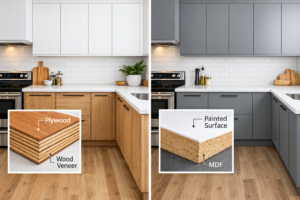

Imagine walking into two newly finished spaces. One features sleek storage cabinets, organized shelving, and practical workstations. The other captures your attention with elegant trim, detailed moldings, and custom wood features that give the room character. At first glance, both may appear to be part of the same craft, but they serve different purposes.
This is where many homeowners, builders, and property managers get confused. Understanding the difference between casework and millwork can help you make smarter design decisions, avoid unnecessary costs, and create a space that balances functionality with visual appeal.
Whether you’re planning a home renovation, commercial build-out, or office upgrade, knowing how these elements work together can make a significant difference in the final result.
Key Takeaways
- Casework focuses primarily on storage and functionality.
- Millwork emphasizes custom craftsmanship and architectural beauty.
- Both can work together to create practical and visually appealing interiors.
- Understanding their differences helps you choose the right materials, budget, and design approach.
What Is Casework?
Casework refers to built-in or freestanding storage units manufactured to serve a practical purpose. Common examples include:
- Kitchen cabinets
- Bathroom vanities
- Office workstations
- Retail display cabinets
- Built-in storage solutions
These products are often produced in standard sizes and configurations, making them easier to manufacture, install, and replace.
Short Definition
Casework is functional cabinetry and storage systems designed primarily for organization, accessibility, and everyday use.
Many commercial offices, schools, healthcare facilities, and homes rely on casework because it provides dependable storage while maintaining a clean appearance.
What Is Millwork?
Millwork refers to custom-crafted woodwork produced to enhance a building’s appearance and architectural character. Unlike casework, millwork is often designed specifically for a particular space.
Examples include:
- Crown molding
- Baseboards
- Wall paneling
- Window casings
- Decorative trim
- Custom stair components
- Interior architectural details
Millwork adds personality and craftsmanship that standard building materials often cannot achieve.
Short Definition
Millwork is custom-fabricated woodwork created to improve a space’s architectural style and aesthetic appeal.
Many property owners invest in custom millwork services when they want a more refined, personalized interior design.
Casework vs Millwork: The Core Differences
When discussing casework vs millwork, the distinction comes down to purpose, manufacturing, customization, and installation.
| Feature | Casework | Millwork |
| Primary Purpose | Storage and functionality | Decorative and architectural enhancement |
| Manufacturing | Often standardized | Typically custom-made |
| Installation | Faster and more predictable | Requires greater customization |
| Cost | Generally more budget-friendly | Often higher due to craftsmanship |
| Design Flexibility | Moderate | Extensive |
| Common Locations | Kitchens, offices, bathrooms | Walls, ceilings, doors, trim |
Understanding these casework vs millwork differences can help property owners align design choices with project goals.
Why the Confusion Exists
Part of the confusion comes from the fact that both elements frequently appear in the same project.
For example, a luxury kitchen may include:
- Custom cabinetry for storage
- Decorative crown molding
- Wood trim and molding around windows
- Decorative wall panels
Because these components are installed together, many people assume they all belong to the same category.
In reality, they serve different functions while contributing to a cohesive design.
A Simple Framework for Choosing Between Them
If you’re unsure which solution deserves more attention in your project, use this simple framework:
1. Define the Primary Goal
Ask yourself:
- Do you need storage?
- Do you need visual impact?
- Do you need both?
Storage needs often point toward residential casework and cabinetry, while design-focused upgrades may require millwork.
2. Evaluate the Space
Consider how people use the area every day.
An office may benefit from commercial casework installation, while a luxury lobby might prioritize architectural millwork solutions.
3. Consider Long-Term Value
Functional storage improves usability.
Custom wood detailing improves perceived value and visual appeal.
The most successful projects often combine both.
The Role of Custom Craftsmanship
One common misconception is that casework lacks craftsmanship.
While some casework is mass-produced, high-quality custom cabinetry can be designed specifically for a project’s needs. Similarly, millwork ranges from simple trim packages to highly detailed architectural features.
As legendary architect Frank Lloyd Wright once said:
“The details are not the details. They make the design.”
This quote perfectly captures why millwork remains such an important part of interior construction.
Small details often create the strongest impressions.
How Millwork Impacts Property Value
Quality woodwork contributes to the overall perception of a property’s quality.
According to the National Association of Realtors, remodeling projects that improve interior appeal can significantly influence buyer interest and satisfaction. Information about remodeling value can be found at:
https://www.nar.realtor/research-and-statistics
While storage functionality remains essential, attractive finishes often shape a visitor’s first impression.
That is why many homeowners invest in finish carpentry alongside cabinetry upgrades.
Common Mistakes When Comparing Casework and Millwork
Many projects run into issues because owners misunderstand the role of each element.
Mistake #1: Prioritizing Appearance Over Function
A beautiful space still needs practical storage.
Ignoring functionality can create daily frustrations after construction is complete.
Mistake #2: Assuming All Woodwork Is Millwork
Not every cabinet qualifies as millwork.
Many storage systems fall into the casework category even when they are custom-built.
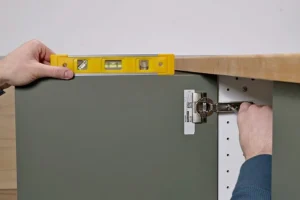
Mistake #3: Underestimating Installation Requirements
Custom millwork often requires precise measurements and specialized installation techniques.
This can affect scheduling and project costs.
Mistake #4: Focusing Only on Initial Cost
Lower upfront costs may not always provide the best long-term value.
Durability, appearance, and usability should all factor into decision-making.
A Real-World Example
Imagine a growing law firm renovating its office.
The management team wants additional storage, better organization, and a more professional appearance.
The project includes:
- Reception desk cabinetry
- Built-in file storage
- Decorative wall paneling
- Custom door casings
- Premium trim work
The storage elements are considered casework.
The decorative wall treatments and trim belong to millwork.
Together, they create an office that functions efficiently while projecting professionalism and credibility.
This example highlights why the casework vs millwork conversation is not about choosing one over the other. It’s about understanding how each contributes to the final environment.
When Do You Need Both?
Many projects benefit from combining the strengths of both approaches.
Examples include:
Residential Projects
- Kitchen remodels
- Home offices
- Entertainment centers
- Luxury bathrooms
Commercial Projects
- Corporate offices
- Medical facilities
- Educational buildings
- Retail stores
- Hospitality environments
In these settings, storage supports daily operations while architectural details create memorable experiences.
For property owners seeking Millwork installation services in Detroit, MI, understanding this balance can help ensure better project outcomes and more cohesive interiors.
How Professionals Approach the Process
Experienced fabricators and installers generally follow a structured process:
- Assess project goals.
- Evaluate storage requirements.
- Identify aesthetic priorities.
- Develop design concepts.
- Coordinate fabrication and installation.
This approach helps ensure both functionality and appearance receive equal attention throughout the project.
Conclusion
Understanding casework vs millwork is about recognizing the unique role each plays in a finished space. Casework provides organization, storage, and practical functionality. Millwork contributes craftsmanship, architectural character, and visual refinement.
Rather than viewing them as competing options, think of them as complementary components that work together to create interiors that are both beautiful and functional. Whether you’re upgrading a home, renovating a workplace, or planning a new build, knowing where each fits allows you to make better design decisions and achieve a more successful result.
Summary
Casework focuses on storage and utility, while millwork enhances architectural appearance through custom-crafted wood features. Both are valuable elements in residential and commercial construction projects. Understanding their differences helps property owners allocate budgets wisely, improve functionality, and create visually appealing interiors. The most effective spaces often combine the strengths of both approaches.
FAQs
What is the main difference between casework and millwork?
The primary difference is purpose. Casework is designed for storage and functionality, while millwork focuses on decorative and architectural enhancement.
Is custom cabinetry considered casework or millwork?
Most cabinetry falls under casework because it serves a storage function. However, decorative components attached to cabinetry may be classified as millwork.
Is millwork more expensive than casework?
In many cases, yes. Millwork often involves custom fabrication, specialized craftsmanship, and detailed installation, which can increase costs.
Does Top Fabricators In the D provide both casework and millwork solutions?
Top Fabricators In the D specializes in creating high-quality interior woodwork solutions that can support both functional and architectural project goals.
When should I contact Top Fabricators In the D for a project?
It’s best to involve professionals during the planning stage of a renovation or new construction project so storage needs, design goals, and installation requirements can be properly coordinated.