Picture this: you walk into your bathroom one morning, reach for a towel, and realize the clutter has finally won. Toiletries overflow from the countertop, drawers barely close, and every item seems to be competing for space. It’s often in moments like these that homeowners start thinking about new bathroom cabinets.
Yet one question comes up almost immediately: what is the real cost to install bathroom cabinets?
The answer is not always straightforward. Cabinet pricing can vary significantly depending on materials, design choices, labor, and the complexity of the project. Understanding these factors before you begin can help you avoid surprises and make decisions that fit both your style and budget.
Key Takeaways
- The cost to install bathroom cabinets depends on cabinet type, materials, labor, and project scope.
- Stock cabinets are generally more affordable, while custom solutions offer greater flexibility.
- Installation expenses often include labor, hardware, removal, and finishing work.
- Careful planning helps reduce unexpected bathroom remodeling cabinet costs.
What Is the Cost to Install Bathroom Cabinets?
The cost to install bathroom cabinets refers to the total expense involved in purchasing, delivering, and professionally installing cabinetry in a bathroom space.
This amount typically includes cabinet materials, labor, hardware, and any adjustments required during installation.
Whether you are updating a powder room or redesigning a primary bathroom, understanding the complete financial picture is essential before starting the project.
Why Bathroom Cabinet Costs Vary So Much
Many homeowners are surprised when they receive multiple estimates for the same project and find large differences in pricing.
The reason is simple: bathroom cabinetry is highly customizable.
A small stock cabinet installed in a guest bathroom requires far less work than a custom-built storage solution designed for a luxury master bath. The final investment depends on several variables working together.
Cabinet Type
The type of cabinet you choose has one of the biggest impacts on overall cost.
Stock Cabinets
Stock cabinets are pre-manufactured in standard sizes and styles. They are typically the most budget-friendly option and often available immediately.
Semi-Custom Cabinets
Semi-custom cabinets offer more flexibility. Homeowners can modify dimensions, finishes, and storage features while keeping costs below fully customized options.
Custom Cabinets
Custom cabinets are built specifically for your space. Every dimension, finish, and storage feature can be tailored to your needs.
This level of personalization naturally increases custom bathroom cabinet pricing, but it also maximizes functionality and aesthetics.
Materials Matter More Than You Think
The material used in cabinet construction directly affects durability, appearance, and long-term value.
Common materials include:
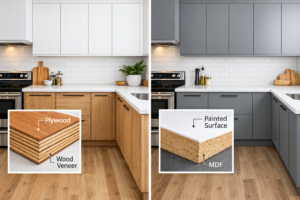
- MDF (Medium Density Fiberboard)
- Plywood
- Solid wood
- Laminate finishes
- Thermofoil surfaces
Solid wood generally commands a higher price because of its durability and premium appearance. Laminate and MDF options can help reduce costs while still providing attractive results.
When comparing quotes, pay close attention to material specifications rather than focusing only on the final number.
Understanding Labor Costs
One of the most overlooked expenses is labor.
The average labor cost for bathroom cabinet installation depends on factors such as:
- Project complexity
- Existing plumbing locations
- Wall condition
- Cabinet size
- Local labor rates
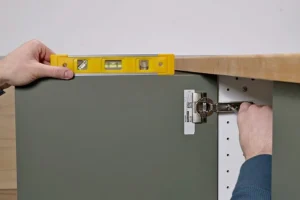
Installers may need to level cabinets, adjust plumbing connections, secure wall anchors, and make finishing adjustments. These tasks require skill and precision, particularly in bathrooms where moisture and space limitations create additional challenges.
A Simple Framework for Estimating Cabinet Costs
A helpful way to evaluate your budget is to use the “CAB” framework:
C – Cabinet Selection
Determine whether stock, semi-custom, or custom cabinetry best suits your needs.
A – Additional Work
Consider demolition, wall repairs, plumbing modifications, and hardware upgrades.
B – Builder or Installer Fees
Factor in labor charges, delivery costs, and finishing work.
Using this framework helps homeowners create a more realistic budget before requesting estimates.
Common Cost Factors at a Glance
| Cost Factor | When It Helps | Simple Cue | Common Mistake |
| Stock Cabinets | Budget projects | Standard sizes | Assuming all sizes fit perfectly |
| Semi-Custom Cabinets | Moderate customization | Flexible layouts | Ignoring upgrade costs |
| Custom Cabinets | Unique spaces | Personalized storage | Underestimating timeline |
| Professional Installation | Complex projects | Better accuracy | Choosing solely by price |
| Premium Materials | Long-term durability | Higher quality finish | Overlooking maintenance needs |
The Cost of Stock vs Custom Bathroom Cabinets
One of the biggest decisions homeowners face is evaluating the cost of stock vs custom bathroom cabinets.
Stock cabinets typically provide:
- Faster installation
- Lower upfront investment
- Standardized sizing
Custom cabinets often provide:
- Better space utilization
- Unique design flexibility
- Higher-quality craftsmanship
- Increased home value appeal
Neither option is universally better. The right choice depends on your goals, budget, and the specific layout of your bathroom.
Hidden Expenses Homeowners Often Miss
When budgeting for a renovation, many people focus only on cabinet pricing and overlook additional costs.
These may include:
- Cabinet removal
- Plumbing adjustments
- New countertops
- Hardware upgrades
- Painting and finishing
- Wall repair work
These bathroom cabinet replacement expenses can add up quickly if they are not considered early in the planning process.
A Realistic Homeowner Scenario
Imagine a homeowner renovating a twenty-year-old bathroom.
Initially, they budget only for new cabinets. During installation, the contractor discovers uneven walls and outdated plumbing connections. Additional repairs become necessary before the cabinets can be properly installed.
While the project remains successful, the final cost exceeds the original estimate because preparation work was not included.
This scenario is common and highlights why comprehensive planning matters.
Professional Installation vs DIY
Many homeowners consider installing cabinets themselves to save money.
While DIY installation can reduce labor expenses, it also introduces risks.
Bathroom cabinets must be:
- Properly leveled
- Securely anchored
- Aligned with plumbing fixtures
- Protected against moisture issues
Even minor installation mistakes can lead to functionality problems later.
As legendary basketball coach John Wooden once said:
“It’s the little details that are vital. Little things make big things happen.”
That philosophy applies perfectly to cabinet installation. Small inaccuracies can affect the entire project.
How to Keep Installation Costs Under Control
If you’re trying to manage the cost to install bathroom cabinets, consider these practical strategies:
1. Define Your Priorities
Identify which features matter most before shopping.
2. Compare Multiple Estimates
Review detailed proposals rather than simply choosing the lowest bid.
3. Keep Existing Plumbing Locations
Moving plumbing often increases project costs substantially.
4. Choose Durable Materials
Quality materials may reduce future repair and replacement expenses.
5. Plan for Contingencies
Set aside additional funds for unexpected repairs or modifications.
When Custom Cabinetry Makes Sense
There are situations where custom solutions provide significant value.
For example:
- Small bathrooms with unusual layouts
- Homes requiring specialized storage
- Luxury remodels focused on design
- Aging-in-place renovations
In these cases, homeowners often work with providers offering Custom cabinetry services in Detroit, MI to create solutions tailored to specific needs and dimensions.
Factors Affecting Bathroom Cabinet Installation Prices
Several variables consistently influence final project costs:
- Cabinet dimensions
- Material quality
- Finish selections
- Storage accessories
- Labor complexity
- Existing bathroom condition
- Delivery requirements
Understanding these factors affecting bathroom cabinet installation prices can help you compare estimates more effectively and identify where your money is being spent.
Planning Beyond the Cabinets
Cabinets rarely exist in isolation.
Many bathroom upgrades also involve:
- Countertop replacements
- New mirrors
- Updated lighting
- Flooring improvements
- Plumbing fixture upgrades
When viewed as part of a larger renovation, cabinet decisions become easier because they align with the overall design vision.
A complete bathroom storage cabinet installation guide often begins with understanding how cabinetry fits into the broader remodeling plan.
Conclusion
The cost to install bathroom cabinets depends on far more than the cabinets themselves. Material selection, labor requirements, customization levels, and preparation work all contribute to the final investment. By understanding the difference between stock and custom options, accounting for hidden expenses, and planning carefully, homeowners can make confident decisions that balance style, functionality, and budget. Whether you’re replacing outdated cabinetry or creating a completely new bathroom design, thoughtful preparation remains the best way to achieve lasting results.
Summary
Bathroom cabinet projects vary widely in price because every space and homeowner’s goals are different. Factors such as materials, labor, customization, and installation complexity all influence the final investment. Understanding potential hidden costs and comparing options carefully helps prevent budget surprises. With proper planning, you can create a bathroom that delivers both improved storage and long-term value.
FAQs
What affects bathroom cabinet installation cost the most?
Cabinet type, material quality, labor requirements, and any plumbing or structural modifications typically have the greatest impact on pricing.
What is the cost to replace bathroom cabinets compared to installing new ones?
The cost to replace bathroom cabinets may include removal and disposal fees in addition to installation expenses, making replacement projects slightly more complex.
Is bathroom vanity installation cost included with cabinet installation?
Not always. Some contractors bundle vanity installation with cabinetry, while others itemize it separately. Always review your estimate carefully.
Why should homeowners choose Top Fabricators In the D for cabinet projects?
Top Fabricators In the D focuses on quality craftsmanship, precise installation, and customized solutions designed to maximize both functionality and appearance.
Does Top Fabricators In the D offer custom bathroom cabinet solutions?
Yes. Top Fabricators In the D can help homeowners explore customized cabinetry options that fit unique layouts, storage needs, and design preferences.