
Have you ever walked into a room that instantly felt elegant, even though nothing seemed overly expensive or extravagant? Sometimes, it’s the small architectural details that create the biggest impression. One of those details is crown molding. Installed where the walls meet the ceiling, it adds depth, character, and a finished look that can completely transform a space.
Whether you’re renovating an older home or designing a new one, understanding this timeless trim can help you make smarter design decisions. From selecting the right material to matching your home’s style, a little knowledge goes a long way.
Key Takeaways
- Crown molding creates a seamless transition between walls and ceilings.
- It comes in various materials, profiles, and styles to suit every home.
- The right design enhances both aesthetics and perceived home value.
- Professional installation delivers cleaner joints and a longer-lasting finish.
What Is Crown Molding?
Crown molding is decorative trim installed where a wall meets the ceiling. It softens the transition between these two surfaces while adding architectural interest and visual appeal.
Unlike simple trim pieces, it is designed with angled profiles that create shadows and depth, making rooms appear more refined and complete.
Why Homeowners Choose It
Many people think decorative trim is only for luxury homes, but that’s no longer true. Modern manufacturing has made it available in different materials and price ranges, allowing homeowners to achieve a custom look without completely remodeling a room.
Its popularity comes from more than appearance. It also helps hide minor ceiling imperfections, creates visual balance, and complements other architectural features such as baseboards, door casings, and window trim.
Common Crown Molding Types
Not every home requires the same profile or material. Choosing the right option depends on your budget, maintenance preferences, and interior style.
1. Wood
Wood remains the traditional choice because it offers natural beauty and can be stained or painted. It works especially well in classic and custom homes.
Best for:
- Traditional interiors
- Historic homes
- Custom finishes
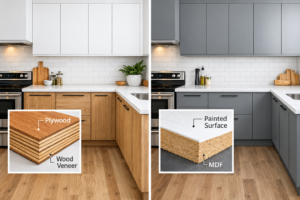
2. MDF (Medium-Density Fiberboard)
MDF provides a smooth painted finish at a lower cost than solid wood. It is commonly used in interior renovations.
Best for:
- Budget-friendly projects
- Painted interiors
- Bedrooms and living rooms
3. Polyurethane
Lightweight and moisture-resistant, polyurethane is easier to install than many heavier materials.
Best for:
- Bathrooms
- Kitchens
- DIY-friendly projects
4. PVC
PVC resists moisture and humidity, making it ideal for damp environments where wood may expand or warp.
Best for:
- Laundry rooms
- Basements
- High-humidity spaces
Popular Crown Molding Styles
Different homes benefit from different profiles. Selecting the right design helps maintain architectural consistency throughout the property.
Traditional
Features elegant curves, layered profiles, and decorative detailing commonly found in Colonial and Victorian homes.
Contemporary
Straight lines and clean edges create a minimalist appearance that complements modern interiors.
Craftsman
Simple, wider trim profiles emphasize clean craftsmanship instead of elaborate ornamentation.
Farmhouse
Combines clean lines with subtle decorative elements that create warmth without feeling overly formal.
These various crown molding styles allow homeowners to personalize every room while maintaining a cohesive design.
Benefits of Adding Decorative Trim
Installing decorative trim offers both practical and visual advantages.
Creates Architectural Character
Even plain rooms gain depth and personality when decorative ceiling details frame the space.
Makes Rooms Feel More Finished
The transition between walls and ceilings appears intentional rather than abrupt.
Increases Visual Value
Although no renovation guarantees a return on investment, attractive finish carpentry often improves buyers’ first impressions during home tours.
Hides Minor Imperfections
Small ceiling gaps, uneven drywall edges, and paint transitions become less noticeable.
According to the National Association of Home Builders (NAHB), interior trim and finish carpentry remain among the most desired design features in new homes, reflecting homeowners’ continued interest in architectural details.
https://www.nahb.org/
How to Choose the Right Option
Selecting the right trim doesn’t have to feel overwhelming. Consider these four steps:
- Match the trim profile to your home’s architectural style.
- Choose a material based on moisture exposure and maintenance needs.
- Scale the profile according to ceiling height.
- Coordinate it with baseboards, window casings, and other interior molding designs for a balanced appearance.
Comparison Table
| Option | Best For | Main Advantage | Consideration |
| Wood | Traditional homes | Natural beauty | Higher cost |
| MDF | Painted interiors | Affordable | Not ideal for moisture |
| Polyurethane | Easy installation | Lightweight | Cannot be stained |
| PVC | Humid environments | Water resistant | Limited texture options |
Decorative Ceiling Ideas That Never Go Out of Style
Today’s homeowners are combining decorative ceiling molding with layered lighting, recessed fixtures, and neutral paint colors to create elegant interiors. Others prefer modern crown molding with simple geometric profiles that blend seamlessly into contemporary spaces.
If you’re looking for personalized results, custom crown molding for homes allows unique profiles, larger dimensions, and tailored finishes that perfectly match your interior vision.
Common Misconceptions About Crown Molding
Many homeowners hesitate to add decorative trim because of a few common myths. Understanding the facts can help you make a more confident decision.
Myth 1: It’s Only for Traditional Homes
While ornate profiles are often associated with classic architecture, today’s designs include sleek, minimalist options that fit contemporary and Scandinavian interiors just as well.
Myth 2: Every Room Needs the Same Profile
Using identical trim throughout an entire home isn’t always the best approach. A formal dining room may benefit from a more decorative profile, while bedrooms and offices often look better with simpler designs.
Myth 3: Bigger Is Always Better
Large trim can overwhelm a room with standard ceiling heights. The profile should always be proportional to the size of the space to create visual balance.
A Simple Framework for Choosing the Right Trim
If you’re unsure where to begin, use this practical framework before making a purchase.
1. Evaluate the Room
Consider ceiling height, room size, natural lighting, and the overall architectural style.
2. Select the Right Material
Choose wood for timeless character, MDF for painted interiors, or moisture-resistant materials for bathrooms, kitchens, and laundry rooms.
3. Coordinate Existing Trim
Your ceiling trim molding, baseboards, window casings, and door trim should complement one another rather than compete for attention.
4. Plan the Installation
Proper measuring, accurate corner cuts, and smooth finishing are essential for achieving clean, professional-looking results.
Real-World Example
Imagine a homeowner updating a 20-year-old living room. Fresh paint alone improves the appearance, but the room still feels unfinished. Instead of investing in a major renovation, they install clean-lined trim that matches the home’s existing woodwork.
The transformation is immediate.
The ceilings appear taller, the corners look cleaner, and the entire room feels more refined. Visitors often assume the renovation involved much more than simply adding architectural detail.
This is why thoughtful finish carpentry can make such a noticeable difference without changing the overall layout of a home.
When Should You Hire a Professional?
Although experienced DIY enthusiasts can tackle smaller projects, installation becomes increasingly challenging when dealing with vaulted ceilings, uneven walls, or complex room layouts.
Professionals bring precision tools, accurate measuring techniques, and years of experience that help ensure:
- Tight corner joints
- Smooth transitions
- Proper alignment
- Less material waste
- A polished final appearance
If you’re planning multiple rooms or custom trim work, investing in Professional carpentry services in Detroit, MI can help save both time and costly mistakes.
Final Thoughts
Adding crown molding is one of those improvements that quietly elevates an entire home. It creates a polished transition between walls and ceilings, enhances architectural character, and complements nearly every decorating style when chosen carefully.
Whether you prefer traditional elegance or clean contemporary lines, selecting the right materials, proportions, and profile ensures your investment continues to look beautiful for years to come. Working with experienced professionals can also make the installation process smoother and deliver results that are difficult to achieve with DIY methods.
If you’re ready to upgrade your home’s interior with expertly crafted trim, Top Fabricators In the D can help bring your vision to life with quality craftsmanship and attention to every detail.
Summary
Decorative trim is much more than an ornamental feature. The right profile can improve visual appeal, hide minor imperfections, and create a more finished interior. By understanding different materials, styles, and installation considerations, homeowners can confidently choose an option that complements both their home’s architecture and their budget. Professional installation helps ensure lasting beauty and precise results.
Frequently Asked Questions
1. Does crown molding increase home value?
While it doesn’t guarantee a specific return on investment, quality architectural trim can improve a home’s appearance and leave a stronger impression on potential buyers.
2. Which material lasts the longest?
Wood, polyurethane, and PVC are all durable when installed correctly. The best choice depends on the room’s humidity, maintenance needs, and desired finish.
3. Can crown molding be installed in rooms with low ceilings?
Yes. Smaller, simpler profiles are often the best choice for rooms with ceilings under eight feet because they maintain proportion without making the space feel crowded.
4. Does Top Fabricators In the D install custom trim and molding?
Yes. Top Fabricators In the D provides custom trim, finish carpentry, and installation solutions tailored to your home’s style and project requirements.
5. Can existing molding be painted instead of replaced?
Absolutely. If the trim is in good condition, sanding, priming, and repainting can give it a fresh appearance without the expense of replacement.