Updating your kitchen or bathroom can be expensive and time-consuming, but there’s a smart solution that saves both time and money: cabinet refacing. This home improvement approach transforms the look of your existing cabinets without the need for a full replacement. But what exactly is cabinet refacing, and how much should you expect to pay? In this guide, we’ll break down everything from the materials and costs to the benefits and process, helping you make an informed decision for your home.
What Is Cabinet Refacing?
Cabinet refacing is a process that updates the exterior of your cabinets while keeping the existing cabinet framework intact. Unlike a full kitchen renovation that involves tearing out old cabinets, refacing focuses on replacing or covering the visible surfaces, including doors, drawer fronts, and veneers. Homeowners often choose cabinet refacing when the structure of their cabinets is still solid but the design looks outdated.
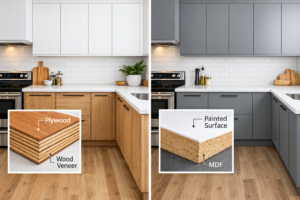
Materials play a key role in cabinet refacing. Popular options include laminate cabinet refacing, wood veneer cabinets, MDF cabinet doors, and thermofoil cabinet refacing. These choices allow homeowners to achieve a modern or classic aesthetic depending on their design preference. Additionally, custom cabinet finishes and updated cabinet hardware options like handles, knobs, and hinges can completely transform the appearance of your kitchen.
Why Choose Cabinet Refacing?
There are several compelling reasons why homeowners opt for cabinet refacing instead of a full replacement:
- Cost-Effective Kitchen Upgrades – Cabinet refacing is significantly cheaper than replacing cabinets entirely. The average cabinet refacing cost ranges from $4,000 to $9,000 for a standard kitchen, depending on materials, size, and complexity. By comparison, a full cabinet replacement can cost two to three times more.
- Time-Saving Renovation – The cabinet refacing process is faster than a full remodel. Most projects are completed in a few days to a week, making it ideal for homeowners who want minimal disruption.
- Eco-Friendly Kitchen Renovation – Refacing reduces waste because the original cabinet boxes remain intact. It’s a more sustainable alternative to throwing out old cabinets and manufacturing new ones.
- Modern Kitchen Design Ideas – With options like custom cabinet finishes, laminate cabinet refacing, or wood veneer cabinets, you can achieve a modern, stylish look that complements your overall kitchen design.
- Increase Home Value With Cabinet Refacing – Updating your cabinets without a full remodel can boost your home’s resale value while offering a fresh, attractive appearance.
For homeowners in Detroit, MI looking for quality workmanship, our Custom Cabinetry Services in Detroit, MI at Top Fabricators In the D can guide you through design, materials, and installation to ensure your refacing project exceeds expectations.
How Much Does Cabinet Refacing Cost?
The cost of cabinet refacing varies depending on several factors:
- Size of the Kitchen – Larger kitchens require more materials and labor.
- Materials Chosen – MDF cabinet doors, wood veneer cabinets, or thermofoil cabinet refacing each have different price points.
- Labor Costs – Professional installation is recommended for the best results. The cabinet refacing steps include measuring, sanding, applying veneers, and installing new doors, which require skilled craftsmanship.
- Hardware and Customization – Updated knobs, pulls, and cabinet hardware options add to the cost but can dramatically improve the final look.
On average, homeowners spend between $4,000 and $9,000 for a standard kitchen. Some may pay as low as $2,000 for small kitchens or basic finishes, while high-end materials and custom designs can push the price above $10,000. For a more detailed breakdown, many contractors offer cabinet refacing cost per linear foot, helping you budget accurately.
When considering your options, it’s helpful to compare cabinet refacing vs replacement cost to determine whether refacing is the most cost-effective solution for your home. For those on a budget, affordable cabinet refacing and DIY cabinet refacing tips can provide additional savings.
Cabinet Refacing Process
Understanding how cabinet refacing works can help you set realistic expectations for your project. The typical cabinet refacing process involves the following steps:
- Preparation – Remove cabinet doors, drawers, and hardware. Clean and sand surfaces to prepare for refacing.
- Surface Application – Apply new veneers or laminates to the existing cabinet boxes. This can include thermofoil cabinet refacing or laminate cabinet refacing.
- Door Installation – Replace old doors and drawer fronts with MDF cabinet doors, wood veneer cabinets, or custom finishes.
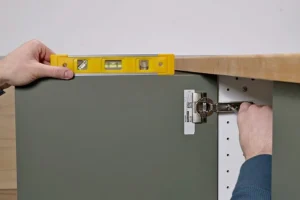
- Hardware Replacement – Install new cabinet hardware options, such as knobs, pulls, and hinges.
- Finishing Touches – Inspect the project for alignment, touch-ups, and final polish.
Professional installation ensures a flawless finish, but homeowners who enjoy DIY projects can tackle simpler updates using cabinet resurfacing techniques.
Benefits of Cabinet Refacing
The advantages of cabinet refacing extend beyond cost savings:
- Kitchen Upgrade Without Remodeling – Get a fresh look without the mess of demolition.
- Save Money on Kitchen Renovation – Achieve a brand-new aesthetic at a fraction of the price.
- Eco-Friendly Kitchen Renovation – Reduce waste and preserve existing structures.
- Modern Kitchen Design Ideas – Transform outdated cabinets into stylish focal points.
- Increase Home Value With Cabinet Refacing – Enhance your home’s appeal and resale potential.
Whether you choose painting cabinets vs refacing or cabinet refinishing vs refacing, cabinet refacing offers a balance of affordability, aesthetics, and functionality.
Cabinet Refacing vs Alternatives
Homeowners often weigh cabinet refacing against other options:
- Cabinet Refacing vs Cabinet Replacement – Refacing is cheaper, faster, and eco-friendly, while replacement offers a complete redesign.
- Painting Cabinets vs Refacing – Painting is inexpensive but less durable and may not fully modernize the look.
- Cabinet Refinishing vs Refacing – Refinishing restores wood finishes but doesn’t allow for complete style changes.
- Kitchen Renovation Alternatives – Refacing, combined with new countertops and backsplashes, can achieve a full makeover without the cost of a full remodel.
Choosing the right approach depends on your budget, desired aesthetic, and long-term goals for your home.
FAQs
1. How long does cabinet refacing take?
Most refacing projects take 3–7 days, depending on kitchen size and complexity. Professional installation ensures the process runs smoothly and on schedule.
2. Can I do cabinet refacing myself?
Yes, some homeowners use DIY cabinet refacing tips, but professional installation is recommended for a flawless, long-lasting finish.
3. What materials are best for cabinet refacing?
Common choices include laminate cabinet refacing, wood veneer cabinets, MDF cabinet doors, and thermofoil cabinet refacing, each offering different aesthetics and durability.
4. Is cabinet refacing worth the cost?
Absolutely. With savings compared to full replacement and the ability to modernize your kitchen, cabinet refacing provides excellent value and increases home appeal.
5. How much does cabinet refacing cost per linear foot?
Prices typically range from $150 to $350 per linear foot, depending on materials and labor. This helps homeowners budget accurately and compare options.
Conclusion
Cabinet refacing is a practical, cost-effective, and stylish solution for homeowners looking to refresh their kitchen or bathroom. With options like MDF cabinet doors, wood veneer cabinets, and thermofoil cabinet refacing, the possibilities are endless. Whether you’re focused on affordability, sustainability, or modern design, cabinet refacing offers a smart alternative to full cabinet replacement.
For residents in Detroit, MI seeking expert guidance, Top Fabricators In the D provides Custom Cabinetry Services in Detroit, MI that ensure your refacing project is handled with professionalism, precision, and an eye for detail. With the right materials, skilled installation, and thoughtful design, your cabinets can look brand new without the hassle and high costs of a full renovation.