Your kitchen cabinets do much more than hold dishes and cookware. They shape the look of your kitchen, influence how long your cabinets last, and affect the overall value of your home. Imagine spending months planning your dream kitchen only to discover a few years later that your cabinet doors are warping, the finish is peeling, or the shelves are sagging under everyday use. In many cases, the problem isn’t the design. It’s the material.
Choosing the best material for kitchen cabinets isn’t about picking the most expensive option. It’s about finding the right balance between durability, appearance, maintenance, and budget. Every household has different needs. A busy family kitchen may require moisture-resistant materials, while a luxury remodel might prioritize premium hardwoods with timeless appeal.
Whether you’re renovating your kitchen or building a new home, understanding the strengths and limitations of different cabinet materials will help you make a confident decision that you’ll appreciate for years to come.
Key Takeaways
- The right cabinet material depends on your lifestyle, budget, and kitchen environment.
- Solid wood, plywood, MDF, and engineered materials each have unique advantages.
- Durability, moisture resistance, and maintenance should matter as much as appearance.
- Investing in quality materials can reduce repairs and extend cabinet life.
What Is the Best Material for Kitchen Cabinets?
The best material for kitchen cabinets is the one that offers the ideal combination of strength, appearance, moisture resistance, and value while fitting your home’s style and budget.
There’s no universal answer because every homeowner has different priorities. Understanding the characteristics of each material helps you make the right choice instead of simply following trends.
Why Cabinet Material Matters
Cabinets experience daily wear from cooking, cleaning, humidity, and constant opening and closing. While finishes and hardware can be replaced, the cabinet structure determines how well your investment holds up over time.
Quality kitchen cabinet materials provide:
- Better structural stability
- Improved moisture resistance
- Longer lifespan
- Easier maintenance
- Higher resale value
Choosing wisely today can save significant repair or replacement costs in the future.
Common Kitchen Cabinet Materials
Solid Wood
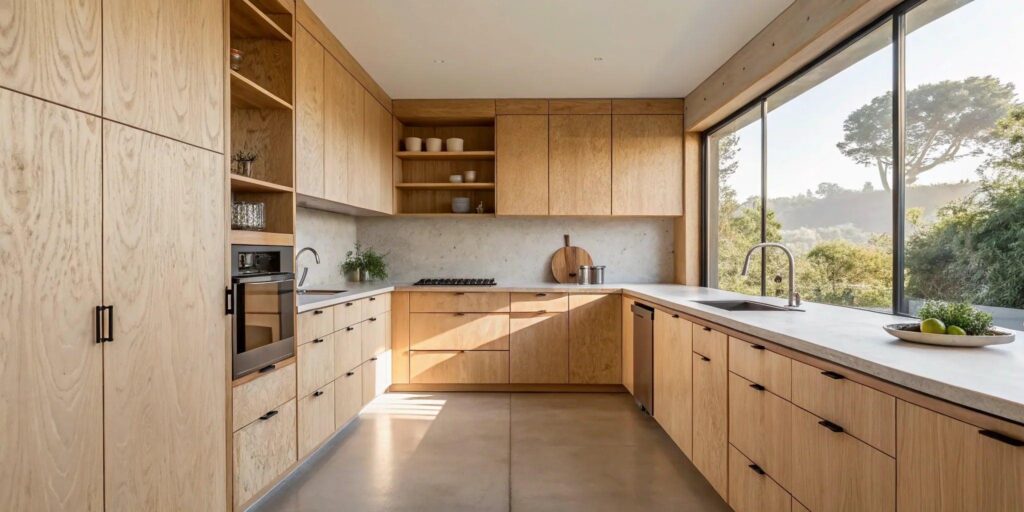
Among all options, solid wood kitchen cabinets remain a favorite because of their natural beauty and durability. Popular wood species include oak, maple, cherry, walnut, and birch.
- Timeless appearance
- Extremely durable
- Can be refinished multiple times
- Adds value to a home
- Higher price
- Can expand or contract with humidity
- Requires periodic maintenance
Solid wood works especially well for homeowners planning to stay in their homes for many years.
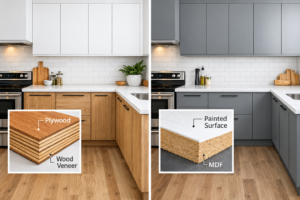
Plywood
Plywood has become one of the most recommended cabinet materials because of its excellent balance between strength and cost.
Unlike solid lumber, plywood consists of multiple layers bonded together, making it resistant to cracking and warping.
- Lightweight yet strong
- Excellent screw holding power
- Resists moisture better than particleboard
- Long-lasting performance
Many professionals consider plywood among the best kitchen cabinet materials for cabinet boxes.
MDF (Medium-Density Fiberboard)
MDF offers a smooth surface that’s ideal for painted cabinet finishes.
When comparing plywood vs MDF cabinets, homeowners often discover that each material serves a different purpose.
- Smooth finish
- Doesn’t crack like natural wood
- Budget-friendly
- Excellent for painted doors
- Heavier than plywood
- Less resistant to water damage
- Difficult to repair if severely damaged
Particleboard
Particleboard is one of the most economical cabinet options.
Although affordable, it doesn’t offer the same durability as plywood or hardwood.
It works best for low-budget renovations where long-term durability isn’t the primary concern.
Stainless Steel
Although less common in residential kitchens, stainless steel offers unmatched resistance to moisture and bacteria.
It is particularly suitable for contemporary kitchens and commercial cooking environments.
Cabinet Material Comparison
| Material | Best For | Strength | Moisture Resistance | Cost |
| Solid Wood | Premium kitchens | Excellent | Good | High |
| Plywood | Everyday durability | Excellent | Very Good | Medium-High |
| MDF | Painted cabinets | Good | Moderate | Medium |
| Particleboard | Budget projects | Fair | Low | Low |
| Stainless Steel | Modern kitchens | Excellent | Excellent | High |
Factors to Consider Before Choosing
Choosing the best material for kitchen cabinets involves more than comparing prices.
Consider these important factors before making your final decision.
1. Budget
Start by determining how much you’re comfortable spending.
Higher-quality materials usually provide better longevity, making them worthwhile investments over time.
2. Kitchen Environment
If your kitchen experiences frequent humidity, prioritize moisture-resistant cabinet materials that resist swelling and warping.
3. Daily Usage
Busy households with children often benefit from tougher surfaces that resist dents and scratches.
4. Design Style
Natural wood complements traditional kitchens, while painted MDF fits modern interiors.
5. Future Maintenance
Think beyond installation. Cabinet durability and maintenance should match the amount of upkeep you’re willing to perform.
How to Choose the Right Material in 5 Steps
- Determine your renovation budget.
- Evaluate how much moisture your kitchen experiences.
- Decide whether you prefer painted or natural wood finishes.
- Compare durability, maintenance, and lifespan.
- Choose the material that offers the best long-term value instead of the lowest upfront price.
Common Mistakes to Avoid
Even with plenty of research, homeowners can make decisions they later regret. Avoid these common mistakes when selecting the best material for kitchen cabinets.
Choosing Based Only on Price
The least expensive option isn’t always the most economical in the long run. Cabinets made from lower-quality materials may need repairs or replacement much sooner, increasing the overall cost.
Ignoring Moisture Exposure
Kitchens are naturally humid spaces. Steam from cooking, spills around the sink, and seasonal humidity can all affect cabinet performance. Choosing materials designed to handle moisture helps protect your investment.
Following Trends Instead of Lifestyle
A trendy cabinet finish may look beautiful today, but your kitchen should reflect how you actually live. If you have young children or cook frequently, prioritize durability over short-lived design trends.
Overlooking Construction Quality
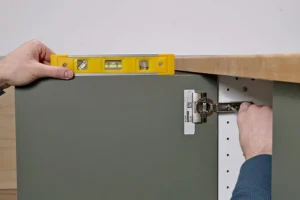
Even premium materials won’t perform well if the cabinet construction is poor. Strong joints, quality hardware, and professional installation are just as important as the material itself.
A Simple Framework for Choosing Cabinet Materials
When comparing options, use this easy framework to narrow your decision.
Budget
Determine how much you’re comfortable investing before exploring materials.
Durability
Consider how much daily use your cabinets will receive and whether they need to withstand heavy wear.
Appearance
Think about whether you prefer natural wood grain, painted finishes, or a sleek modern style.
Maintenance
Some materials require occasional refinishing, while others simply need routine cleaning.
Environment
Homes with higher humidity benefit from materials that resist moisture and seasonal movement.
Using these five factors makes comparing different materials much easier and helps you choose confidently.
Real-World Example
Imagine two neighbors remodeling their kitchens.
The first homeowner chooses inexpensive particleboard cabinets because they fit the budget. Initially, the kitchen looks great, but after several years of cooking, cleaning, and humidity, the cabinet edges begin to swell and some shelves start sagging.
The second homeowner spends a little more on plywood cabinet boxes with solid wood doors. Years later, the cabinets still look attractive, operate smoothly, and require only basic maintenance.
Both kitchens looked beautiful on installation day, but the difference became clear over time. Looking beyond the initial price often results in greater satisfaction and lower lifetime costs.
Which Material Offers the Best Value?
If you’re looking for the best balance between cost and performance, plywood combined with hardwood cabinet doors is often considered one of the smartest choices.
Homeowners seeking luxury and timeless beauty may prefer solid hardwood throughout, while painted kitchens frequently benefit from quality MDF doors paired with plywood cabinet boxes.
The ideal choice depends on your priorities, but focusing on long-term performance rather than short-term savings usually leads to better results.
When Should You Work with a Professional?
Selecting cabinet materials can feel overwhelming because every home has unique requirements.
A professional cabinet supplier or designer can help you compare materials, explain construction differences, and recommend options that fit your budget and lifestyle. Their experience often helps homeowners avoid costly mistakes and achieve better long-term value.
If you’re planning a kitchen renovation, working with a Top Cabinet Supplier in Detroit, MI can provide expert guidance from material selection through installation.
Conclusion
Choosing the best material for kitchen cabinets is about more than appearance. It’s an investment in the comfort, functionality, and longevity of one of the busiest spaces in your home. By comparing durability, moisture resistance, maintenance, and overall value, you can confidently select cabinets that meet your family’s needs today and continue performing well for years to come.
Whether you prefer the timeless beauty of hardwood, the dependable strength of plywood, or the smooth painted finish of MDF, taking time to understand your options will help you create a kitchen you’ll enjoy for many years.
If you’re ready to upgrade your kitchen with quality craftsmanship and expert guidance, Top Fabricators In the D can help you choose cabinet materials that complement your style, budget, and long-term goals.
Summary
Selecting the right cabinet material requires balancing durability, appearance, maintenance, and cost. Understanding the strengths and weaknesses of solid wood, plywood, MDF, particleboard, and other materials makes the decision much easier. By focusing on long-term value instead of short-term savings, you can create a kitchen that remains attractive and functional for years.
FAQs
What is the best material for kitchen cabinets?
There isn’t a one-size-fits-all answer. Solid wood and plywood are among the most durable choices, while MDF is an excellent option for painted cabinets. The right material depends on your budget, design preferences, and maintenance expectations.
Which cabinet material lasts the longest?
Solid hardwood and high-quality plywood generally offer the longest lifespan when properly maintained. They resist everyday wear and provide excellent structural stability.
Are plywood cabinets better than MDF cabinets?
When comparing plywood vs MDF cabinets, plywood typically performs better in areas exposed to moisture and heavy use. MDF, however, provides a smoother surface for painted finishes and can be a cost-effective alternative.
How do I maintain kitchen cabinets?
Regular cleaning with a soft cloth, quickly wiping up spills, and avoiding excessive moisture help extend cabinet life. Proper cabinet durability and maintenance practices also include checking hinges and hardware periodically.
Why choose Top Fabricators In the D for custom cabinetry?
Top Fabricators In the D combines skilled craftsmanship with quality materials to help homeowners create cabinets that are both beautiful and built to last. Their team works closely with clients to recommend solutions tailored to individual needs, style preferences, and budgets.